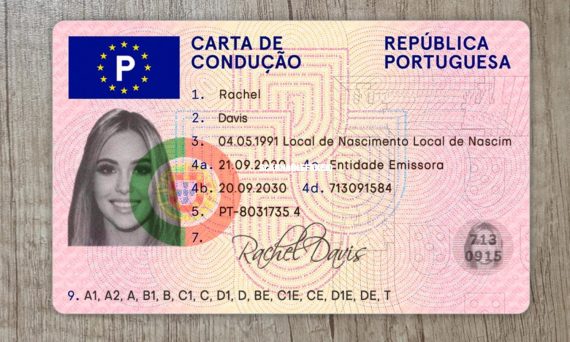
How to Buy a Driving License: A Comprehensive Guide
Getting a driving license is a considerable turning point that provides people increased liberty and mobility. Nevertheless, the process of obtaining a legitimate chauffeur's license can be intricate and time-consuming. This post will direct readers through the steps associated with lawfully obtaining a driving license, highlighting essential considerations and common mistakes to prevent.
Comprehending the Necessity of a Driving License
A chauffeur's license is not merely a card; it is a legal document that validates a person's ability to operate a car. The following points outline why getting a chauffeur's license is important:
- Legal Requirement: Driving without a valid license is prohibited and can result in extreme penalties, consisting of fines and potential jail time.
- Safety: A chauffeur's license generally represents that an individual has actually satisfied specific requirements, including passing tests that guarantee they comprehend traffic laws and can run a vehicle safely.
- Insurance: Many insurance provider require evidence of a valid driver's license before using coverage.
- Work Opportunities: Many jobs, specifically those in delivery, transportation, or fieldwork, need a valid driving license.
Steps to Obtain a Driving License
1. Research Requirements
Before beginning the process, people should look into the particular requirements in their state or country. Requirements can differ significantly based upon jurisdiction. Typical aspects consist of:
| Requirement | Description |
|---|---|
| Age | Minimum age can vary (16-18 years in many jurisdictions) |
| Identification | Required for government-issued ID or other recognition |
| Residency | Evidence of home in the providing state |
| Knowledge Tests | May need to pass a written test on traffic laws |
| Practical Driving Test | Must show actual driving abilities through a test |
2. Collect Necessary Documents
The next step involves collecting all the needed documents, which usually consist of:
- Birth certificate or passport
- Social Security number (if relevant)
- Proof of residency (utility bills, lease agreements)
- Completed application form (frequently readily available online)
3. Complete Driver Education Program
Lots of areas mandate completing a driver education program, particularly for first-time motorists under a particular age. This might consist of:
- Classroom instruction on traffic laws and safety
- Behind-the-wheel training with a licensed instructor
4. Schedule and Take the Written Test
Once the applicant feels ready, they must schedule a written test, usually performed at their regional Department of Motor Vehicles (DMV) or comparable authority. Individuals must:
- Review relevant traffic laws and guidelines
- Take practice tests available online or through the DMV
5. Arrange a Driving Test
After successfully passing the written test, the next action is to set up a useful driving test. Important considerations include:
- Selecting a lorry that fulfills safety standards
- Bringing necessary documents (test consultation confirmation, student's permit, recognition)
- Arriving at the screening site on time to avoid rescheduling
6. Get Your Driving License
Upon effectively completing the driving test, individuals might receive their driving license right away or within a few weeks, based upon the jurisdiction's treatments.
Preventing Common Pitfalls
While the road to obtaining a driving license might seem simple, several typical mistakes can impede the process:
- Not Preparing Thoroughly: Skipping the chauffeur education course or understating the importance of practice can cause failure in the written or driving tests.
- Forgetting Documents: Always check that all required documents are present before heading to the DMV, as forgetting crucial products might cause an inability to finish the test.
- Missing out on Deadlines: Ensure that applications and tests are set up well ahead of any due dates, as waiting too long might cause problems.
- Underestimating Fees: Be mindful that fees for applications, tests, and licenses can collect. Ensure that you have actually set aside enough funds.
Frequently asked questions
Q: Can I practice driving without a license?A: In most jurisdictions, individuals are allowed to practice driving with a learner's authorization, which typically includes constraints, such as requiring a certified grownup in the vehicle. Q: What do I do if I stop working the
knowledge or driving test?A: Failing either test frequently permits you to retake them after a specified waiting period. Use this time to prepare and improve your understanding or skills. Venda De Cnh : How long is a driving license valid?A: The validity period can vary; most licenses stand for 4 to 8 years, after which renewal is required. Q: What occurs if I lose my driving license?A: In the occasion of loss, call your regional DMV to report the loss and follow procedures to acquire
a replacement. Obtaining a driving license necessitates diligence, preparation, and adherence to legal procedures. By following the described steps and preventing common mistakes
, individuals can navigate the process smoothly, thereby welcoming the self-reliance that includes valid driving qualifications. Always remember to respect traffic laws and drive responsibly, cultivating a much safer transportation environment for all.